A gluten-free diet eliminates gluten, a protein found in wheat, barley, rye, and their crossbreeds (including triticale). In the USA, this diet is medically necessary for people with celiac disease, non-celiac gluten sensitivity, wheat allergy, or dermatitis herpetiformis. For others, it may help manage symptoms but is not universally required.
As of 2026, FDA rules remain clear: Foods labeled “gluten-free” must contain less than 20 parts per million (ppm) of gluten. The agency continues to refine guidance on cross-contact, rye, barley, and oats through Requests for Information (RFI) issued in early 2026, emphasizing better transparency and prevention of unintended gluten exposure. Oats are naturally gluten-free but often contaminated; only certified gluten-free oats are safe for most people on the diet.
This comprehensive USA-focused guide covers who needs it, what to eat/avoid, practical shopping and dining tips, a sample meal plan, and 2026 trends.
Who Should Follow a Gluten-Free Diet?
- Celiac disease (autoimmune disorder): Strict lifelong adherence required — even tiny amounts damage the small intestine.
- Non-celiac gluten sensitivity: Symptoms improve when gluten is removed.
- Wheat allergy: Avoid wheat specifically.
- Others: Some with IBS, autoimmune conditions, or athletic performance goals try it, but evidence varies. Consult a doctor or registered dietitian before starting, especially to rule out celiac via blood tests while still eating gluten.
Important: Self-diagnosing and starting gluten-free can make testing for celiac inaccurate. Get proper diagnosis first.
Foods to Avoid vs. Safe Foods (2026 FDA Standards)
Foods That Contain Gluten (Avoid):
- Wheat (including spelt, farro, durum, semolina, graham)
- Barley (malt, malt vinegar, beer)
- Rye
- Triticale
- Most conventional breads, pasta, cereals, baked goods, crackers, and sauces
Naturally Gluten-Free Foods (Safe):
- Fruits and vegetables (fresh or frozen, plain)
- Meat, poultry, fish, seafood (unprocessed)
- Eggs
- Dairy (milk, cheese, yogurt — check labels for additives)
- Beans, lentils, chickpeas
- Nuts and seeds
- Rice, quinoa, corn, millet, buckwheat, sorghum, amaranth, teff
- Potatoes and sweet potatoes
- Oils and herbs/spices (pure)
Certified Gluten-Free Options:
- Oats (look for “gluten-free” label)
- Processed foods with the “gluten-free” claim (<20 ppm)
Cross-Contact Risks: Oats, shared manufacturing lines, fryers, or cutting boards. Dedicated facilities or certified products minimize risk.
2026 FDA Updates: Ongoing RFI focuses on better disclosure for rye, barley, and cross-contact. Precautionary labeling (“may contain gluten”) is voluntary but increasingly common in responsible brands.
Practical Gluten-Free Grocery Shopping Tips (USA 2026)
- Read Every Label — Even “safe” foods can change formulations.
- Shop the Perimeter — Fresh produce, meat, dairy, and eggs are naturally gluten-free.
- Trusted Brands (widely available and highly rated in 2026):
- Breads/Pasta: Canyon Bakehouse, Schär, Jovial (rice pasta), Promise Gluten-Free.
- Snacks: Enjoy Life (top-allergen free), Quinn Snacks, Simple Mills, Late July.
- Cereals/Granola: Seven Sundays, Chex Gluten-Free varieties, Purely Elizabeth.
- Frozen/Convenience: Amy’s, Trader Joe’s gluten-free items, Counter high-protein meals.
- Baking: King Arthur Gluten-Free, Bob’s Red Mill.
- Budget-Friendly Stores: Aldi (expanding GF line), Trader Joe’s, Walmart Great Value GF items, Costco (bulk certified products).
- Apps/Tools: Find Me Gluten Free (for restaurants), Gluten Free Watchdog, or scanner apps.
Pro Tip: Buy in bulk at Costco for staples like rice, quinoa, and frozen fruits/veggies.
Sample 7-Day Gluten-Free Meal Plan (Balanced & Realistic)
Daily Focus: High-protein, fiber-rich, with plenty of vegetables and healthy fats. ~1,800–2,200 calories (adjust as needed).
Breakfast Ideas:
- Greek yogurt (plain, full-fat) with berries and chia seeds
- Eggs (scrambled or omelet) with spinach, tomatoes, and avocado
- Overnight oats made with certified gluten-free oats, almond milk, and nut butter
Lunch Ideas:
- Grilled chicken or salmon salad with mixed greens, cucumber, olive oil dressing
- Quinoa bowl with black beans, corn, avocado, and salsa
- Turkey or tuna lettuce wraps
Dinner Ideas:
- Baked salmon or chicken thighs with roasted broccoli and sweet potato
- Stir-fried shrimp or tofu with veggies over rice or cauliflower rice
- Lentil or chickpea curry with rice
Snacks:
- Hard-boiled eggs, apple with almond butter, carrot sticks with hummus, cottage cheese with tomatoes, or certified GF rice cakes with avocado.
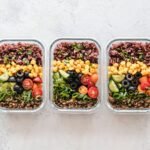
Meal Prep Tip: Roast proteins and veggies on Sunday; portion into glass containers for the week.
Dining Out Gluten-Free in the USA (2026)
- Use Find Me Gluten Free app for reviews and dedicated kitchens.
- Ask clear questions: “Is there a dedicated fryer? Separate prep area?”
- Safe bets: Grilled meats/fish, salads (no croutons), rice-based dishes, plain baked potatoes.
- Chains with strong GF options: Chipotle (build-your-own bowls), PF Chang’s (GF menu), Outback Steakhouse, and many independents.
- Trends: More restaurants offering certified GF menus or dedicated spaces, especially in major cities.
Potential Challenges & Solutions
- Nutrient Deficiencies: Ensure adequate fiber, iron, B vitamins, and calcium. Supplement if needed (under medical guidance).
- Cost: GF products can be pricier — offset with whole foods, bulk buying, and store brands.
- Social Situations: Communicate clearly; bring safe snacks when traveling.
- Cross-Contact at Home: Use separate toasters, color-coded utensils, and dedicated cutting boards.
Final Thoughts: Living Gluten-Free in the USA in 2026
A well-planned gluten-free diet can be nutritious, delicious, and sustainable. Focus on naturally gluten-free whole foods — fresh produce, quality proteins, rice, quinoa, and legumes — while using certified products for convenience. With clearer FDA guidance on labeling and cross-contact on the horizon, and more dedicated facilities and apps available, navigating the diet has never been easier.
If you suspect gluten issues, get tested before eliminating it. Work with a registered dietitian experienced in celiac or gluten sensitivity for personalized advice.
This guide is for informational purposes only and not medical advice. Rules and product availability can change — always verify labels and consult healthcare professionals. Information aligns with FDA standards and 2025–2030 Dietary Guidelines as of March 2026.
Ready to start? Stock your pantry with safe staples and try one new recipe this week. Your gut (and taste buds) will thank you!
What’s your biggest gluten-free challenge or favorite safe food? Share below for more tips tailored to real life in the USA. Happy gluten-free eating!