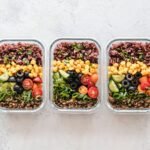
Grocery prices in the USA continue to rise modestly in 2026, with food-at-home costs projected to increase around 2.5% for the year according to the USDA. While this is below the long-term average and much cooler than the sharp spikes of recent years, the average household still spends hundreds of dollars monthly on food. Smart shopping habits can easily save $50–$200+ per month without sacrificing nutrition or enjoyment.
This practical guide shares proven, up-to-date budget grocery shopping tips tailored for American shoppers. Whether you shop at Walmart, Aldi, Costco, or local stores, these strategies focus on real-world tactics that work in 2026 — from meal planning to store selection and waste reduction.
1. Plan Meals and Shop with a List (The #1 Money-Saver)
The simplest way to cut your bill is to stop impulse buying.
- Check your pantry, fridge, and freezer first.
- Plan 5–7 simple meals for the week around what you already have and what’s on sale.
- Build a focused shopping list and stick to it.
Pro tip: Use the 50/30/20 grocery rule — 50% essentials (produce, proteins, grains), 30% convenience items, 20% treats. This keeps spending balanced.
2. Choose the Right Stores for Your Needs
Recent 2026 comparisons show surprising shifts:
- Costco and BJ’s Wholesale Club often beat Walmart by ~21% on comparable items (membership fee usually pays for itself quickly with bulk buys).
- Aldi and Lidl are typically 8%+ cheaper than Walmart for everyday staples.
- WinCo, H-E-B (in certain regions), and store brands offer strong value.
- Traditional supermarkets like Kroger or Publix can compete with loyalty programs and sales.
Strategy: Shop multiple stores if convenient (e.g., Aldi for basics + Costco for bulk proteins). Many shoppers save 10–25% by mixing discount and warehouse clubs.
3. Buy Store Brands and Compare Unit Prices
Store-brand (generic) items are often identical in quality to name brands but cost 20–30% less. Switch staples like pasta, rice, canned tomatoes, oats, yogurt, and frozen vegetables first.
Always check unit price (price per ounce or pound), not just the sticker price. This reveals the real deal — especially on bulk items.
4. Shop Sales, Seasonal Produce, and Markdowns
- Review weekly ads and store apps before shopping.
- Build meals around what’s on sale (e.g., chicken, eggs, or seasonal produce).
- Shop the perimeter (produce, dairy, meat) more than inner aisles (expensive snacks and processed foods).
- Buy near closing time for markdowns on bakery, produce, and meat.
Inflation-proof staples in 2026 (often stable or cheaper): potatoes, rice, apples, pork chops, canned tuna, beans, lentils, oats, and frozen vegetables.
5. Buy in Bulk Wisely and Reduce Waste
Warehouse clubs shine for non-perishables and proteins you use often. However, avoid overbuying items that spoil (unless you freeze them).
Waste-cutting tips:
- Use leftovers for soups, stews, fried rice, or casseroles.
- Freeze extras in portions.
- Do a “pantry challenge” week monthly — eat what you have before buying more.
Americans waste about $56 worth of food weekly on average — cutting even half of that adds up fast.
6. Leverage Apps, Loyalty Programs, and Digital Tools
- Store apps (Walmart, Kroger, Aldi, Target) often have personalized coupons, fuel points, and digital deals.
- Loyalty programs and rewards can save 5–15% easily.
- Price-comparison apps and tools help spot the best deals across stores.
7. Additional Smart Habits for 2026
- Shop early in the day or mid-week for fewer crowds and fresher picks.
- Pay in cash or set a strict cart limit to avoid overspending.
- Go meatless 1–2 days a week or use cheaper proteins (beans, eggs, lentils, peanut butter).
- Buy whole produce instead of pre-cut or pre-washed items.
- Grow simple herbs or sprouts at home for fresh flavor on a budget.
- Batch-cook and meal prep to reduce takeout temptation.
Sample Weekly Budget Grocery List (Family of 4, ~$100–$150)
Essentials:
- Eggs, chicken or ground turkey, Greek yogurt, cottage cheese
- Rice, oats, beans/lentils, potatoes
- Seasonal produce (apples, bananas, broccoli, spinach, carrots)
- Store-brand milk, cheese, bread, peanut butter
Total savings potential: Switching to these habits can cut your monthly grocery bill by 20–40% while eating healthier and wasting less.
Frequently Asked Questions
How much should a family of 4 spend on groceries in 2026?
A moderate budget is often $800–$1,200/month; thrifty shoppers aim for $600–$900 with planning.
Is Costco worth it if I don’t have a big family?
Yes — many singles and couples split bulk items or freeze portions and still come out ahead.
Can I eat healthy on a tight budget?
Absolutely. Focus on eggs, beans, lentils, oats, frozen/canned produce, potatoes, rice, and affordable proteins like chicken thighs or tuna.
Do coupons still work in 2026?
Yes, especially digital ones combined with sales and store brands.
Final Thoughts: Stretch Your Grocery Dollars in 2026
With food prices still rising modestly, budget grocery shopping is about smart systems, not deprivation. Plan meals, shop with a list, choose the right stores (Costco, Aldi, and store brands often win), compare unit prices, and minimize waste — these habits deliver real savings while helping you eat better.
Start small this week: Make one meal plan, check your pantry, and try one new store brand. Over time, these changes compound into hundreds of dollars saved annually.
Tips based on 2026 consumer reports, USDA data, and expert advice. Grocery prices and deals vary by region and store. Adjust for your household size, dietary needs, and location. This is for informational purposes only.
Ready to save? Grab a pen, check your fridge, and head to the store with a plan — your wallet (and your meals) will thank you!
What’s your best budget grocery tip? Share below — we’d love to add more real-world ideas! Happy saving and happy eating in 2026!