The 2025–2030 Dietary Guidelines for Americans, released in January 2026, emphasize prioritizing high-quality protein at every meal while focusing on real, minimally processed foods, healthy fats, vegetables, fruits, and whole grains — and sharply limiting ultra-processed items and added sugars. Protein recommendations have increased to 1.2–1.6 grams per kilogram of body weight per day (roughly 0.55–0.73 g per pound), significantly higher than the previous 0.8 g/kg minimum. This supports muscle maintenance, satiety, weight management, and overall health for active Americans.
A high-protein diet in 2026 is practical, sustainable, and grocery-store friendly using everyday U.S. staples from Walmart, Costco, or Aldi. It helps with fat loss, muscle building, blood sugar stability, and staying full longer.
This guide provides a realistic 7-day high-protein meal plan (approx. 1,800–2,200 calories, 120–180g protein daily depending on your size/activity), plus shopping tips, macros, and customization advice aligned with the latest guidelines.
How Much Protein Do You Need?
- Sedentary adult: 1.2 g/kg (e.g., 150 lb / 68 kg person → ~82–110g/day)
- Active / strength training: 1.4–1.6 g/kg (→ 95–109g+)
- Goal: Spread protein evenly across meals (25–40g per meal) for best results.
Daily Structure:
- Breakfast: 25–40g protein
- Lunch: 30–40g
- Dinner: 30–40g
- Snacks: 10–20g each (1–2 per day)
- Focus on variety: eggs, poultry, seafood, lean/red meat, Greek yogurt, cottage cheese, beans, lentils, nuts, and soy.
7-Day High-Protein Meal Plan (USA-Friendly, ~1,800–2,000 Calories)
Daily Totals (approximate): 1,900 calories | 140–160g protein | 120–150g carbs | 70–90g fat | High fiber from veggies.
Day 1
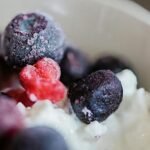
- Breakfast: Greek yogurt parfait (2 cups full-fat plain Greek yogurt + berries + 1 tbsp chia seeds + 1 oz almonds) → ~35g protein
- Lunch: Grilled chicken salad (6 oz chicken breast, mixed greens, cucumber, tomato, avocado, olive oil dressing) → ~40g protein
- Dinner: Baked salmon (6 oz) with roasted broccoli & sweet potato → ~40g protein
- Snacks: Hard-boiled eggs (2) + apple; cottage cheese (1 cup) with cherry tomatoes → ~30g protein
Day 2
- Breakfast: Egg muffins (4 eggs + spinach, turkey sausage, feta) + side of berries → ~30g protein
- Lunch: Turkey & avocado lettuce wraps (6 oz ground turkey, lettuce, avocado, salsa) → ~35g protein
- Dinner: Beef stir-fry (5 oz lean beef, broccoli, bell peppers, zucchini over cauliflower rice) → ~40g protein
- Snacks: Greek yogurt (1 cup) + walnuts; string cheese + carrots → ~30g protein
Day 3
- Breakfast: Protein overnight oats (½ cup oats, 1 scoop whey or Greek yogurt, chia, peanut butter) → ~30g protein
- Lunch: Tuna bowl (2 cans tuna, quinoa, cucumber, olives, feta) → ~45g protein
- Dinner: Chicken thighs (6 oz) with asparagus and quinoa → ~40g protein
- Snacks: Cottage cheese + pineapple; handful of almonds → ~25g protein
Day 4
- Breakfast: Cottage cheese bowl (1.5 cups cottage cheese + berries + pumpkin seeds) → ~35g protein
- Lunch: Southwest turkey bowl (6 oz ground turkey, black beans, corn, avocado, salsa) → ~40g protein
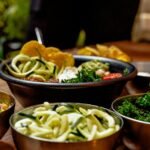
- Dinner: Grilled shrimp (8 oz) with zucchini noodles and pesto (olive oil based) → ~40g protein
- Snacks: Hard-boiled eggs + celery with almond butter → ~25g protein
Day 5
- Breakfast: Scrambled eggs (4 eggs) with spinach, mushrooms, and cheese → ~30g protein
- Lunch: Chicken Caesar salad (no croutons, use Greek yogurt dressing) → ~40g protein
- Dinner: Lentil & beef chili (mix of ground beef + lentils, tomatoes, spices) → ~35g protein
- Snacks: Greek yogurt + cucumber; protein shake if needed → ~30g protein
Day 6
- Breakfast: Avocado egg toast (2 slices whole-grain toast, mashed avocado, 2 poached eggs) → ~25g protein
- Lunch: Salmon salad (6 oz canned salmon, greens, olive oil) → ~40g protein
- Dinner: Pork tenderloin (6 oz) with roasted Brussels sprouts and brown rice → ~45g protein
- Snacks: Cheese stick + apple; handful mixed nuts → ~25g protein
Day 7 (Rest/Refeed Style)
- Breakfast: High-protein pancakes (made with oats, eggs, Greek yogurt, topped with berries) → ~30g protein
- Lunch: Veggie & egg fried rice (cauliflower rice, eggs, shrimp or chicken) → ~35g protein
- Dinner: Steak (5 oz sirloin) with baked potato and large salad → ~40g protein
- Snacks: Cottage cheese + tomatoes; Greek yogurt → ~30g protein
Pro Tip: Drink plenty of water (at least 3 liters/day) and add herbs/spices liberally for flavor without extra calories.
High-Protein Grocery List (USA 2026 Staples)
Proteins:
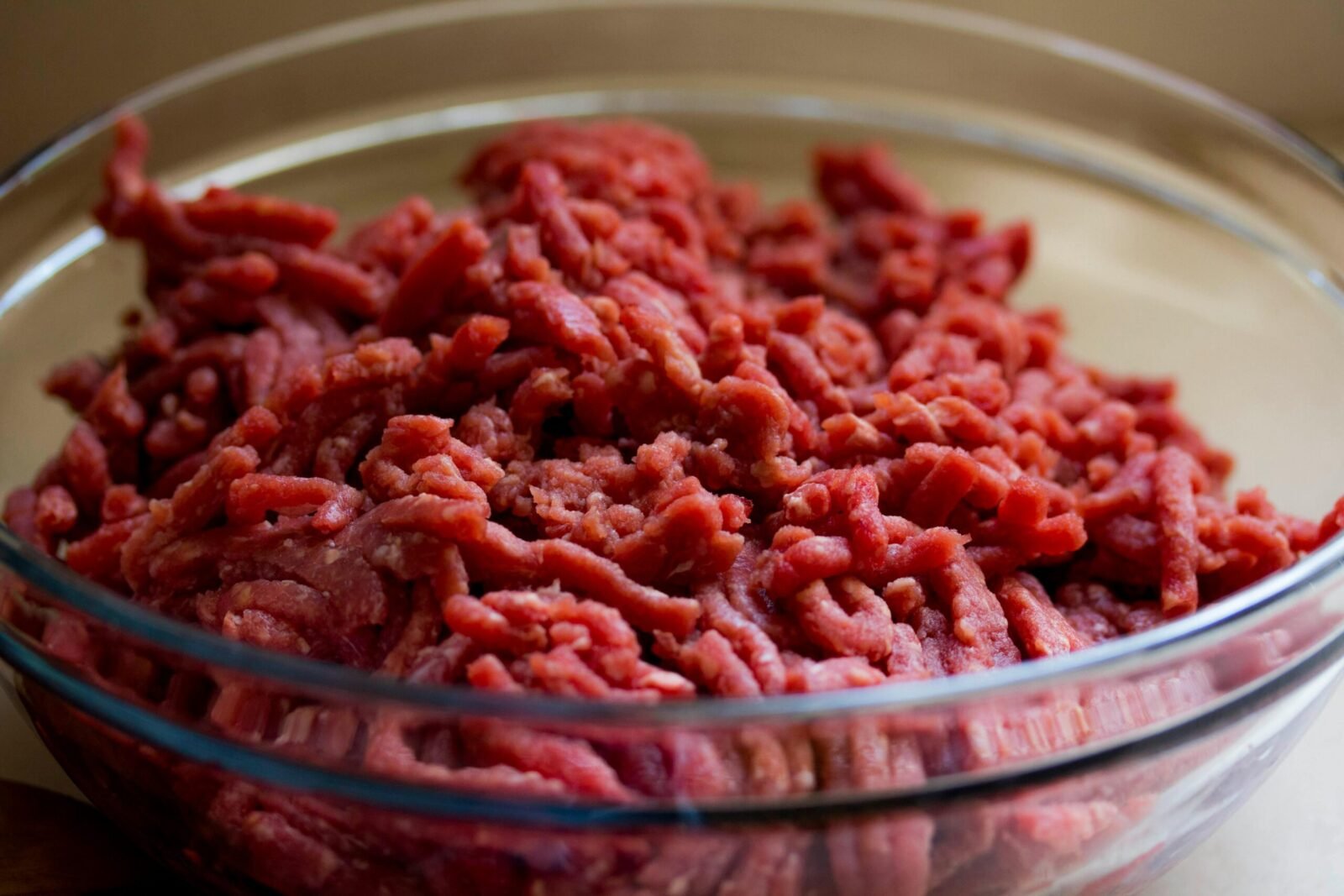
- Eggs, chicken breast/thighs, ground turkey/beef, salmon/tuna (canned), shrimp, pork tenderloin, Greek yogurt (full-fat plain), cottage cheese, string cheese.
- Plant options: Lentils, black beans, chickpeas, tofu/tempeh, edamame.
Veggies & Fruits:
- Broccoli, spinach, zucchini, bell peppers, asparagus, cauliflower rice, sweet potatoes, berries, apples, avocados, tomatoes, cucumbers.
Fats & Flavor:
- Olive oil, avocado oil, almonds/walnuts, chia seeds, peanut/almond butter (natural), feta/cheese.
Pantry:
- Quinoa, brown rice (in moderation), salsa (low-sugar), spices, Greek yogurt-based dressings.
Shop at Costco or Walmart for bulk savings on chicken, eggs, and Greek yogurt.
Benefits of a High-Protein Diet in 2026
- Satiety & Weight Management: Protein keeps you full longer, reducing snacking on processed foods.
- Muscle Preservation: Especially helpful during calorie deficits or as we age.
- Blood Sugar Stability: Pairs well with fiber-rich veggies.
- Aligns with New Guidelines: Emphasizes nutrient-dense proteins from both animal and plant sources, full-fat dairy, and real foods.
Potential Drawbacks & Tips
- Start gradually if you’re new to higher protein to avoid digestive discomfort.
- Balance with fiber (veggies, berries, chia) to support gut health.
- Consult a doctor or registered dietitian if you have kidney issues or other medical conditions.
- Track progress with an app like MyFitnessPal for the first week.
Final Thoughts: Build a Sustainable High-Protein Habit
Following a high-protein diet in 2026 is straightforward, delicious, and fully supported by the latest U.S. Dietary Guidelines. Focus on real foods — eggs for breakfast, chicken or salmon for lunch/dinner, and Greek yogurt or cottage cheese for snacks — and you’ll hit your protein goals without feeling deprived.
Start with this 7-day plan, adjust portions based on your needs, and meal prep on weekends for easy success. Combine with strength training for the best results.
This plan is for informational purposes and general guidance only. Calorie and macro needs vary by age, sex, activity level, and goals. Consult a healthcare professional or registered dietitian for personalized advice, especially if you have health conditions.
Ready to fuel your day? Grab your shopping list and get prepping — your energy levels and results will thank you!
What’s your favorite high-protein meal? Share below for more ideas. Here’s to stronger, healthier mornings and beyond in 2026!